
In This Article
Somewhere between “romantic dinner” and “the power just went out,” there’s a little wax disc doing more heavy lifting than it gets credit for. Long burning tea lights are the unglamorous MVPs of Canadian homes — tucked into junk drawers for emergencies, lit under oil warmers on a Tuesday night, or lined up by the dozen for a wedding centrepiece nobody will remember the brand of. And yet not all of them are built the same. Some sputter out in two and a half hours. Others genuinely hold a flame for eight, which matters more than it sounds like it should when you’re three hours into a candlelit dinner party and the room suddenly goes dark.
This guide digs into what actually separates a long burning tea light from a short-lived imposter — wick material, wax type, cup design — and lines up seven real, currently available options across budget, mid-range, and premium tiers. We’ll also work through the practical stuff: which tea lights hold up best in a warmer, why “unscented” isn’t the same as “odourless” once wax starts heating up, and how Health Canada actually wants you to burn these things. Consider this the honest, no-fluff version of the research you’d otherwise have to do yourself across a dozen open browser tabs — grounded in real product specs and genuine candle safety guidance from Canada.ca, not marketing copy.
What Is a Long Burning Tea Light?
A long burning tea light is a small candle, typically 3.5–4 cm in diameter, engineered with a wax volume and wick combination that reliably delivers 6 to 9 hours of continuous flame — roughly double the 2.5–4 hour burn time of a standard tea light. The difference comes down to wax density, wick material, and cup depth rather than candle size, which stays fairly standardized across brands.
That standardization is actually the sneaky part. Two tea lights can look nearly identical sitting side by side in their little aluminum cups, and one will quietly outlast the other by five hours. The tell is almost never on the front of the package — it’s buried in the fine print, and sometimes it’s not disclosed at all until you’ve burned through half a box and started timing them with your phone.
Quick Comparison Table
| Tea Light | Burn Time | Pack Size | Wax Type | Best For |
|---|---|---|---|---|
| Zuvo Tea Lights 8 Hour Burn | ~8 hrs | 100 | European paraffin | Best overall value |
| Stonebriar 100 Pack Unscented | 6–8 hrs | 100 | Sustainable palm wax | Floating centrepieces |
| HomeLights Giant Tealight Pack | ~8 hrs | 200 | Paraffin | Large events, bulk stocking |
| PAMI Premium Round Tealights | ~8 hrs | 50 | Paraffin | Best flame quality |
| Ferris Unscented Tealight Candles | ~8 hrs | 50 | Paraffin, lead-free cotton wick | Warmers and everyday use |
| MontoPack Unscented Tealights | ~4 hrs | 100 | Dripless paraffin | Wax/oil warmers specifically |
| GoodLight Paraffin-Free Tealights | ~4 hrs | 24/48 | Palm wax (paraffin-free) | Scent-sensitive, eco-conscious buyers |
A few things jump out once you line these up side by side. The two 4-hour options — MontoPack Unscented Tealights and GoodLight Paraffin-Free Tealights — aren’t actually “losing” on burn time; they’re built for warmers, where a candle only needs to run for as long as the oil or wax melt lasts, not for a full evening on its own. Meanwhile, the 8-hour cluster of Zuvo, Stonebriar, HomeLights, PAMI, and Ferris is where you go if the tea light itself is the light source and you need it to survive an entire dinner, blackout, or Shabbat observance without a refill. Pack size matters more than people expect too — buying 50 when you needed 200 means reordering sooner, and shipping costs on candles add up fast.
💬 Just one click — help others make better buying decisions too!😊
Top 7 Long Burning Tea Lights: Expert Analysis
Every product below is a real, currently listed item — no invented names, no fictional model numbers. Prices shift constantly on Amazon, so treat the ranges here as a starting point and check current pricing before you buy.
1. Zuvo Tea Lights 8 Hour Burn (100 Pack) — best value for the burn-hours-per-dollar math
The standout here isn’t flashy — it’s arithmetic. A hundred candles at roughly C$0.25–C$0.35 each works out to a genuinely low cost per hour of light, and that math holds up even against premium competitors. Each candle uses a lead-free cotton wick centred in European-manufactured paraffin wax, which in practice means the flame burns evenly instead of drowning itself in melted wax halfway through — a common failure mode in cheaper tea lights where the wick goes off-centre and gets swamped.
Who should care: anyone stocking an emergency kit, running weekly Shabbat observance, or decorating a venue where budget matters more than boutique branding. Based on the spec comparison against similarly priced bulk packs, the recyclable aluminum cup is a small but real upgrade — it holds its shape through the full burn instead of warping, which keeps wax contained and surfaces clean. Reviewers consistently report the 8-hour claim holds up in practice rather than being an optimistic marketing round-up, and the recyclable aluminum cups get specific praise for not leaving a sticky residue behind.
Pros:
- ✅ Reliable full 8-hour burn across the batch
- ✅ Lowest cost-per-hour among 8-hour options
- ✅ Recyclable aluminum cups hold shape, no drips
Cons:
- ❌ White wax only — no colour or finish variety
- ❌ 100-unit minimum is a commitment for casual users
At around C$20–C$30 for the pack, this is the one to grab if you’re buying in volume and don’t need a designer aesthetic. The value verdict is straightforward: nothing else on this list beats it on pure cost-per-burning-hour.
2. Stonebriar 100 Pack Unscented Tealight Candles — hand-poured palm wax with genuine floating-candle appeal
The standout feature here is the wax itself — sustainably sourced palm wax, hand-poured in Europe rather than machine-cast, which gives these a slightly denser, more consistent burn than mass-market paraffin fillers. Stonebriar advertises an 8-hour extended burn, though it’s worth noting the brand also sells a near-identical line rated at 6–7 hours, so it pays to check which listing you’re ordering from.
Each candle measures about 7/8″ by 1.5″ — standard tea light dimensions that fit any holder — and the clear plastic cup variant is specifically built for floating displays, which most competitors don’t bother optimizing for. What most buyers overlook about this model is that the palm wax base burns slightly cooler than straight paraffin, meaning less risk of the wax pool getting hot enough to warp a plastic floating bowl. Aggregated review sentiment points to consistent satisfaction with the clean, smokeless burn, with the most common critique being that actual burn time sometimes lands closer to 6–7 hours than the full 8 depending on draft conditions and holder type.
Pros:
- ✅ Sustainably sourced palm wax, hand-poured
- ✅ Purpose-built for floating centrepiece displays
- ✅ Smokeless, clean burn with minimal soot
Cons:
- ❌ Real-world burn time sometimes runs under 8 hours
- ❌ Costs more per unit than straight-paraffin competitors
Expect to pay in the mid-C$20s to low-C$30s range for 100 candles. If floating centrepieces or a slightly more premium feel matter to your event, the extra cost over Zuvo is defensible; if you just need maximum hours for minimum cash, it isn’t.
3. HomeLights Giant Tealight Pack (200 Count) — best for stocking up once and forgetting about it
The standout advantage is sheer scale — 200 candles in one box means fewer reorders, fewer shipping charges, and one less thing to think about before a wedding season or a long winter of possible power outages. Built from paraffin wax with 100% pure cotton wicks, HomeLights advertises up to 8 hours of continuous burn without smoke or flickering, and the metal holder cups are specifically engineered to catch drips rather than let wax run onto tablecloths or countertops.
Here’s what to weigh: buying 200 at once only makes sense if you actually have storage space and a genuine use case for that volume — otherwise you’re tying up cash in inventory that sits in a closet for a year. For restaurants, event venues, large families, or anyone prepping a serious emergency stockpile, though, the per-unit price advantage of buying at this scale is real. Reviewers consistently describe the burn as smoke-free and reliable across large batches, which matters more than it sounds like when you’re lighting 40 tables at once and can’t afford three or four duds ruining the ambiance.
Pros:
- ✅ 200-count pack minimizes reorder frequency
- ✅ Metal holder cups control drips effectively
- ✅ Strong per-unit price at this volume
Cons:
- ❌ Requires meaningful storage space
- ❌ Overkill for casual, occasional use
Pricing typically lands in the C$35–C$45 range for the full 200-pack, which — on a per-candle basis — undercuts most 50 and 100-count competitors. The value verdict: excellent if you’ll actually burn through them within a year or two; wasteful if you won’t.
4. PAMI Premium Round Tealight Candles (50-Pack) — the one to buy for flame quality over sheer quantity
The standout feature is right there in the name: “beautiful flame.” PAMI leans into paraffin wax specifically chosen for a taller, steadier flame profile rather than the flatter, more subdued burn some budget brands produce, and the company backs it with an advertised 8-hour burn time on a 50-count pack.
On paper this means a smaller commitment than the 100 and 200-packs above — useful if you’re testing a brand before going all-in, or if you just don’t need bulk quantities. What most buyers overlook about smaller premium packs like this is that the cost-per-candle runs noticeably higher than bulk options, but for anyone using tea lights as visible décor (dinner tables, bathroom vanities, holiday displays) rather than purely functional lighting, flame aesthetics genuinely matter in a way spec sheets don’t capture. Aggregated review sentiment leans positive on flame consistency and appearance specifically, with fewer complaints about flickering or uneven burning compared to some of the ultra-budget bulk options.
Pros:
- ✅ Noticeably taller, steadier flame than budget paraffin
- ✅ Reliable 8-hour burn on a manageable 50-count pack
- ✅ Good entry point for testing before buying in bulk
Cons:
- ❌ Higher cost per candle than 100+ count packs
- ❌ 50-count runs out fast for large events
Expect a price in the C$15–C$20 range for 50 candles — a premium over Zuvo on a per-unit basis, but justified if flame appearance is part of what you’re paying for.
5. Ferris Unscented Tealight Candles (50-Pack) — the practical middle-ground pick, especially for warmers
The standout advantage is versatility — a lead-free, 100% cotton wick paired with an advertised 8-hour clean burn, positioned specifically for both standalone lighting and use in wax and oil warmers. That dual-purpose framing matters because plenty of tea lights are optimized for one job and perform mediocrely at the other.
Based on the spec comparison, the lead-free cotton wick is worth flagging on its own — Health Canada has specifically warned about metallic-core wicks that can release lead vapours when burned, so a confirmed lead-free wick isn’t just a nice-to-have, it’s a genuine health consideration, particularly in homes with kids or anyone burning candles regularly and indoors. Here’s what to weigh: at a 50-count pack size, Ferris sits between the ultra-bulk options and the small premium packs, making it a reasonable middle purchase for households that burn a few tea lights a week rather than dozens.
Pros:
- ✅ Confirmed lead-free cotton wick construction
- ✅ Performs well both standalone and in warmers
- ✅ Clean, consistent 8-hour burn
Cons:
- ❌ Smaller brand with less name recognition
- ❌ 50-pack size sits awkwardly between bulk and premium tiers
Pricing generally sits in the C$15–C$20 range. For households specifically shopping for tealight candles for warmers who also want the option to burn them standalone, this is one of the more sensibly balanced picks on this list.
6. MontoPack Unscented Tealight Candles (100 Pack, 4 Hour) — built for warmers, not marathon burns
The standout feature is the dripless aluminum tin — European pressed paraffin wax packed into a container specifically engineered to keep melted wax from leaking out and staining furniture, which is a real, common complaint with cheaper tea lights sold for warmer use. The trade-off is burn time: at roughly 4 hours, this isn’t a “long burning” candle in the traditional sense, and it shouldn’t be marketed to you as one for overnight or extended standalone use.
What most buyers overlook is that 4 hours is actually the right burn time for warmer applications, not a shortcoming. A wax melt or oil reservoir typically only needs about that long to stay liquefied and diffusing scent; a candle that burns 8 hours under a warmer is often just wasted wax once the melt has already run its course. Reviewers consistently note this pack performs well specifically under warmers and less impressively as a standalone light source, which tracks with how it’s built and priced.
Pros:
- ✅ Dripless design genuinely protects furniture
- ✅ Right-sized burn time for warmer/wax-melt use
- ✅ Strong bulk value at 100 candles
Cons:
- ❌ Only 4-hour burn — not suited to standalone long use
- ❌ Not a substitute for the 8-hour options above
Typically priced under C$20 for the 100-pack. If a warmer is the primary use case, this — or a comparably specced 4-hour bulk pack — is arguably a smarter buy than an 8-hour candle you’re only burning for a quarter of its life anyway.
7. GoodLight Paraffin-Free Tealight Candles (24/48 Count) — the clean-burning alternative for scent-sensitive households
The standout feature is what’s missing: paraffin. GoodLight builds these from non-GMO palm wax with pure cotton wicks, explicitly free of phthalates and added fragrance, positioned as a plant-based alternative for people who find that petroleum-derived paraffin candles bother their sinuses or simply prefer to avoid burning fossil-derived wax indoors.
On paper this means a genuinely different burn profile — palm wax tends to burn a touch cooler and, according to the brand, cleaner than paraffin, with a 4-hour burn time per candle. Based on the spec comparison against the paraffin options on this list, GoodLight costs meaningfully more per candle and per hour of light, which is the honest trade-off for the paraffin-free formulation and smaller-batch production model. Aggregated review sentiment is generally positive on scent-neutrality and clean burning, with the most common critique being price relative to bulk paraffin competitors — a fair complaint given the smaller 24/48-count pack sizes compared to the 100+ counts elsewhere on this list.
Pros:
- ✅ Genuinely paraffin-free, phthalate-free formulation
- ✅ Clean burn favoured by scent-sensitive users
- ✅ Sustainable palm wax sourcing commitments
Cons:
- ❌ Highest cost per candle on this list
- ❌ Shorter 4-hour burn, smaller pack sizes
Expect roughly C$20–C$25 for a 24 or 48-count box, which is a real premium. The value verdict: worth it specifically if paraffin avoidance is a genuine priority for you — not simply “greener,” but chemically a different candle.
🔍 Compare Prices Before You Buy
Tea light prices shift week to week on Amazon.ca, so before committing to a 100 or 200-count box, it’s worth clicking through to check current pricing and availability on a couple of the picks above. A few dollars’ difference in per-unit cost adds up fast once you’re buying in bulk.
What Makes a Tea Light “Long Burning”? Burn Hours Explained
Burn time comes down to three variables working together, and understanding them explains why two tea lights that look identical can perform so differently.
- Wax volume relative to wick draw. A wick pulls wax up at a roughly fixed rate for its thickness; more wax in the cup simply means more fuel for the same draw rate, which is the single biggest lever manufacturers pull to hit 8-hour claims.
- Wax density and melt point. Denser waxes — palm wax in particular — hold their shape longer under heat and release fuel more slowly than looser paraffin blends, which is part of why Stonebriar’s palm-based line and cheaper paraffin packs can post different real-world numbers despite similar volumes.
- Wick centring and cup depth. An off-centre wick drowns in its own melted wax pool well before the fuel is exhausted, which is the most common reason a “6-hour” candle burns out in 3.
This is also the section where “burn hours” advertised on the box and burn hours delivered in your living room genuinely diverge, and it’s rarely dishonesty — it’s variability. Draft from an open window, the depth of your holder, and ambient temperature all shift real-world results by an hour or more in either direction. If a candle’s box says 8 hours, treat 6 to 8 as the realistic working range rather than a guarantee.
Unscented Paraffin Wax vs Palm, Soy, and Beeswax
“Unscented” tells you what a tea light doesn’t have — added fragrance oils — but says nothing about the wax itself, and that distinction matters more than most shoppers realize. Paraffin wax is a petroleum byproduct, refined and pressed into the pale, dense blocks most bulk tea lights are made from; you can read more about how it’s produced and refined on Wikipedia’s paraffin wax overview. It’s cheap to produce at scale, burns predictably, and holds a flame profile manufacturers can standardize — which is exactly why the majority of budget and mid-range bulk tea lights, including several on this list, are built from it.
Palm wax, used in Stonebriar’s and GoodLight’s lines, is a plant-derived alternative that burns slightly cooler and, when sourced from RSPO-certified growers, comes with a smaller environmental footprint than petroleum paraffin. Soy and beeswax tea lights exist too, though they’re less common in bulk formats and tend to run shorter burn times per candle at a given size. Here’s what to weigh: paraffin remains the most reliable choice for consistent long burn times at low cost, while palm and soy appeal more to buyers prioritizing sourcing and sensitivity over sheer burn-hour economics. Neither is objectively “better” — they’re solving for different priorities, and pretending otherwise is exactly the kind of generic marketing puffery this guide is trying to avoid.
Oil Warmer vs Candle Warmer: Which Should You Choose
This is one of the more genuinely confusing corners of the tea light world, because “candle warmer” gets used loosely to describe two different devices with different heat sources and different tea light requirements.
An oil warmer (sometimes called an aroma lamp) uses the tea light’s flame to heat a small ceramic or glass bowl of scented oil sitting above it, releasing fragrance through gentle evaporation. A candle warmer, by contrast, is usually an electric device — a heated plate or bulb, like the Candle Warmers Etc. style units sold widely on Amazon — that melts wax or warms a jar candle without an open flame at all, sometimes replacing the tea light entirely with electric heat.
Here’s the practical distinction that actually affects your tea light purchase: a flame-based oil warmer still needs a real candle underneath it, and burn time matters — a 4-hour MontoPack or Ferris tea light will comfortably outlast most oil-warming sessions, while an 8-hour candle just burns longer than the oil needs to stay warm, which is wasted wax rather than a bonus. An electric candle warmer, on the other hand, doesn’t use a tea light flame at all, so burn-hour ratings become irrelevant — what matters there is choosing a jar candle or wax melt sized to the warmer’s heating plate. If your device has an open flame under a small oil dish, prioritize a tea light built specifically for warmer use; if it’s a plug-in electric unit, your tea light shopping decision doesn’t apply to it at all.
Tealight Candles for Warmers: What Actually Matters
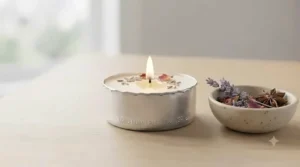
Not every long burning tea light is a good match for a warmer, and this is a place where longer burn time isn’t automatically better. Warmers work by transferring the tea light’s heat upward into an oil dish or wax reservoir sitting a centimetre or two above the flame — which means flame height, wick stability, and drip control matter more here than raw burn hours.
A few things to prioritize specifically for warmer use: look for a dripless cup design, since warmers often sit inside decorative bases where a wax spill is harder to clean than on an open tabletop. Favour a shorter, steadier flame over a tall one — a flame that’s too tall can overheat glass or ceramic oil dishes faster than intended, occasionally cracking cheaper glassware. And match burn time loosely to how long you actually run the warmer per session; if you typically run an oil warmer for 2-3 hours in the evening, a 4-hour tea light like MontoPack or GoodLight wastes less wax than an 8-hour candle you’re extinguishing half-used. Ferris splits the difference nicely if you sometimes want the same candle to double as standalone lighting.
Buying Unscented Tea Lights in Bulk: What to Know
Bulk buying tea lights makes obvious financial sense on paper — per-unit costs drop meaningfully once you’re ordering 100 or 200 at a time, as the HomeLights and Zuvo comparisons above demonstrate. But a few practical wrinkles are worth knowing before you click “add to cart” on the biggest box available.
Storage conditions affect wax over time. Tea lights left in a hot garage or direct sunlight can soften, warp, or develop a white bloom on the surface — a cosmetic wax crystallization that doesn’t ruin the candle but can look unappealing for gift or display purposes. Keep bulk boxes somewhere cool and dark, ideally under 25°C. Second, “unscented” bulk packs vary more than expected in actual neutrality — cheaper paraffin can carry a faint petroleum note when first lit that dissipates within a minute or two, which is normal, but worth knowing if you’re buying for a scent-sensitive household or a space where food is served. Finally, factor in realistic usage: buying 200 candles sounds efficient until they’re sitting in a closet 18 months later. For most households, the 50 to 100-count range hits the sweet spot between per-unit savings and not overcommitting storage space to wax.
How to Choose Long Burning Tea Lights
- Start with your primary use case. Standalone lighting favours the 8-hour paraffin or palm wax picks; warmer use favours the 4-hour dripless options.
- Check the wick material, not just burn time. A confirmed lead-free cotton wick is worth prioritizing over marginal burn-hour differences, particularly for regular indoor use.
- Match pack size to realistic consumption. Estimate how many candles you’ll actually burn in the next 6-12 months before jumping to the largest available bulk pack.
- Weigh wax type against your priorities. Paraffin wins on cost and consistency; palm and soy appeal to buyers prioritizing plant-based sourcing.
- Read burn-time claims as a range, not a guarantee. Treat an “8-hour” listing as realistically delivering 6-8 hours depending on conditions.
- Consider cup and holder compatibility. Floating displays need a cup built to handle water contact; warmers benefit from dripless, shallow designs.
- Factor in storage before buying maximum bulk. Cool, dark storage extends usable shelf life significantly over a hot closet or garage shelf.
Practical Usage Guide: Getting the Most Burn Time
A few habits genuinely extend how much usable light you get out of any tea light, long burning or otherwise. Trim any stray wick fibres to about 5mm before first lighting — an overly long wick burns hotter and faster, shaving real time off your advertised burn hours. Keep tea lights away from drafts; even subtle airflow from an HVAC vent or an open window can push a candle to burn unevenly, drowning the wick on one side while leaving unmelted wax on the other, which cuts total burn time short.
Let each candle burn for at least an hour on first light if possible, allowing the wax pool to reach the full diameter of the cup — extinguishing too early creates “tunnelling,” where the candle burns a narrow well down the centre and leaves wasted wax around the edges on every subsequent use. Store unused candles flat, not stacked, to avoid warping the cups. And for warmer use specifically, replace the tea light once the flame visibly shrinks rather than waiting for it to self-extinguish, since a dying flame produces less consistent heat for oil or wax diffusion. None of this is complicated, but skipping it is the single most common reason people feel shortchanged on advertised burn hours.
Real-World Scenarios: Matching Tea Lights to Your Life
The apartment-dweller running a nightly oil warmer. Someone burning a warmer for an hour or two most evenings doesn’t need an 8-hour candle every time — MontoPack’s 4-hour dripless tins minimize waste and keep a small apartment tidy, since spilled wax on rented furniture is its own headache.
The family stocking an emergency kit. For power-outage preparedness, burn hours and shelf stability matter more than aesthetics. Zuvo’s 100-pack at roughly 800 total hours of backup light, paired with confirmed lead-free construction, is a sensible, budget-conscious choice for a kit that might sit untouched for a year or two before it’s needed.
The host planning a wedding or large event. Volume and consistency both matter when 40+ tables each need multiple tea lights burning reliably for hours without a single dud. HomeLights’ 200-count bulk pack or Stonebriar’s floating-friendly clear cups both fit this use case, depending on whether the display is tabletop or floating.
Common Mistakes When Buying Tea Lights
The most frequent misstep is buying purely on advertised burn hours without checking wick material — a candle can hit its 8-hour claim and still release a metallic-core wick’s worth of lead vapour into the room, which is a real, documented risk the Ontario Association of Fire Chiefs flags in its public candle-safety guidance. A second common mistake is over-buying bulk without a realistic usage plan, leaving hundreds of candles degrading in storage rather than actually being burned.
Shoppers also frequently mismatch product to purpose — grabbing an 8-hour standalone candle for warmer use, or a 4-hour warmer-optimized tea light for something meant to run unattended overnight. And a subtler mistake: assuming “unscented” always means completely neutral. Cheaper paraffin can carry a faint, brief scent note on first lighting that some buyers mistake for a product defect when it’s simply a normal characteristic of the wax.
Long Burning Tea Lights vs Standard Tea Lights
| Factor | Long Burning (6-8 hr) | Standard (2.5-4 hr) |
|---|---|---|
| Best use | Standalone lighting, blackouts, extended events | Warmers, wax melts, short accent lighting |
| Cost per candle | Higher | Lower |
| Cost per hour of light | Generally lower | Generally higher |
| Ideal buyer | Emergency kits, events, dinners | Warmer users, frequent short-session burners |
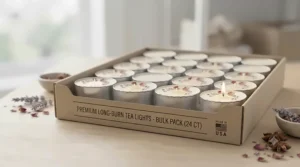
The comparison above makes the trade-off pretty clear once you frame it around cost per hour rather than cost per candle: a longer burn time usually wins on efficiency if you’re actually using every hour of it, but loses that advantage fast if half the burn is wasted under a warmer that only needed two hours. Standard, shorter tea lights aren’t a downgrade — they’re the right tool specifically when your use case doesn’t call for marathon burn times, which is exactly why MontoPack and GoodLight earned spots on this list despite posting the “worst” burn-hour numbers.
Safety and Regulations: Burning Candles Safely in Canada
Tea lights are small, but they’re still open flames, and Health Canada tracks candle-related fires closely enough to publish dedicated guidance. Every year, an average of nearly 800 candle fires occur across Canada based on data compiled from Ontario, Manitoba, Alberta, and B.C. — and the leading causes are almost entirely preventable: burning candles unattended, placing them too close to flammable materials, or leaving them within reach of children and pets.
A few Canada-specific points worth knowing: some candle wicks contain a metallic core that can include lead, and testing wicks you already own — by checking for a metallic strand inside the fibres — is a simple way to rule that risk out. The candles reviewed in this guide use cotton wicks specifically because of that concern. Beyond wick material, the general safety fundamentals apply regardless of which tea light you buy: never leave a burning candle unattended, extinguish it before sleeping, keep at least 10cm between multiple candles burning together, and use a snuffer rather than blowing candles out, since a puff of air can send sparks or hot wax flying. For a full breakdown of home fire prevention specific to Canadian households, Canada.ca’s fire safety guidance is a genuinely useful reference beyond just candles.
Long-Term Cost & Value: Bulk Buying Math
| Product | Pack Size | Approx. Total Burn Hours | Rough Price Range | Cost per Hour |
|---|---|---|---|---|
| Zuvo (100-pack, 8hr) | 100 | ~800 hrs | C$20-C$30 | Lowest |
| HomeLights (200-pack, 8hr) | 200 | ~1,600 hrs | C$35-C$45 | Very low |
| PAMI (50-pack, 8hr) | 50 | ~400 hrs | C$15-C$20 | Moderate |
| GoodLight (48-pack, 4hr) | 48 | ~192 hrs | C$20-C$25 | Highest |
The pattern here is consistent with what bulk economics usually predict: larger packs from value-focused brands like Zuvo and HomeLights deliver the lowest cost per hour of light by a meaningful margin, while smaller, premium-positioned packs like PAMI and paraffin-free options like GoodLight cost more per hour in exchange for either flame quality or wax sourcing priorities. Total cost of ownership isn’t just sticker price, either — factor in how much of that bulk pack you’ll realistically use before quality or freshness starts to degrade, since a lower cost-per-hour number means nothing if half the box goes unused.
📦 Ready to stock up? Check current prices and availability before your next order — bulk deals shift often.
FAQ
❓ How long do long burning tea lights actually last?
❓ Are unscented tea lights better for allergies?
❓ Can I use any tea light in an oil warmer?
❓ Is paraffin wax safe to burn indoors?
❓ How many tea lights should I buy in bulk?
Conclusion
Tea lights seem almost too small to overthink — until the wrong one gutters out halfway through dinner or leaves a wax puddle inside your favourite oil warmer. The honest takeaway from all seven products above is that “long burning” isn’t a single spec worth chasing blindly; it’s a match to be made against how you’ll actually use the candle. Bulk 8-hour paraffin picks like Zuvo and HomeLights make sense for emergency kits and large events where hours matter most. Warmer-specific 4-hour options like MontoPack avoid wasted wax entirely. And for households prioritizing wax sourcing over sheer burn-hour math, GoodLight’s paraffin-free line is worth the premium.
Whichever direction you go, the fundamentals hold steady: check the wick material, be realistic about pack size versus actual consumption, and follow the same safety basics Health Canada and provincial fire marshals have been repeating for years — because a candle only saves you money and hassle if it’s actually the right one for the job, and it only stays safe if it’s treated with the respect any open flame deserves.
🕯️ Found Your Match? Grab It Before Prices Shift
Bulk tea light pricing on Amazon.ca moves week to week — if one of the seven picks above fits your needs, it’s worth checking current pricing now rather than waiting.
Recommended for You
- Votive vs Tealight Candles: 7 Real Picks for Canada (2026)
- Taper Candles for Dinner Table: 7 Picks That Actually Work (2026)
- Pillar Candles Bulk: 7 Best Picks for 2026 (Budget to Luxe)
Disclaimer: This article contains affiliate links. As an Amazon Associate, I earn from qualifying purchases. If you purchase products through these links, we may earn a small commission at no additional cost to you.
✨ Found this helpful? Share it with your friends! 💬🤗
